
Anne’s sobriety, vulnerability and growth: ’It’s never over’
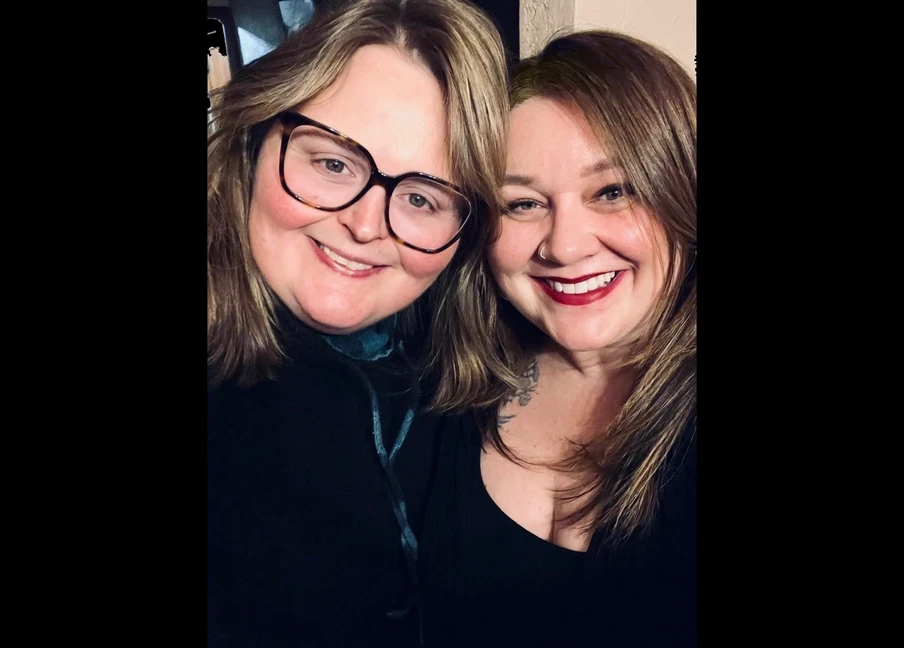
Published Jan. 6, 2026
Anne used to wake up feeling ill. She would often get sick, hardly eat her lunch and try to ignore her shaking hands.
“I didn’t feel well mentally or physically,” she said. “I would avoid all those things. Mostly, though, I was hurting the people that I loved and my headspace. I felt terrible.”
As the COVID-19 pandemic progressed, Anne’s drinking changed. Alcohol had always been there, even in the background of her childhood, but she started doing things out of her character.
“Drinking daily became a thing,” she said. “As time went on, it became what I had to do. It wasn’t fun anymore.”
When Anne thinks about that time of her life, she doesn’t even recognize herself.
“I was drinking, scheming, lying. My mental health was not good whatsoever,” she said. “I was sort of on autopilot, but I wasn’t really fooling people.”
During some of Anne’s lowest, darkest days, she met the love of her life.
“I really didn’t take my drinking seriously until it started to scare my girlfriend,” she said. “She could see the person that I am past the garbage. I’m so grateful she stayed with me; I give her a lot of credit.”
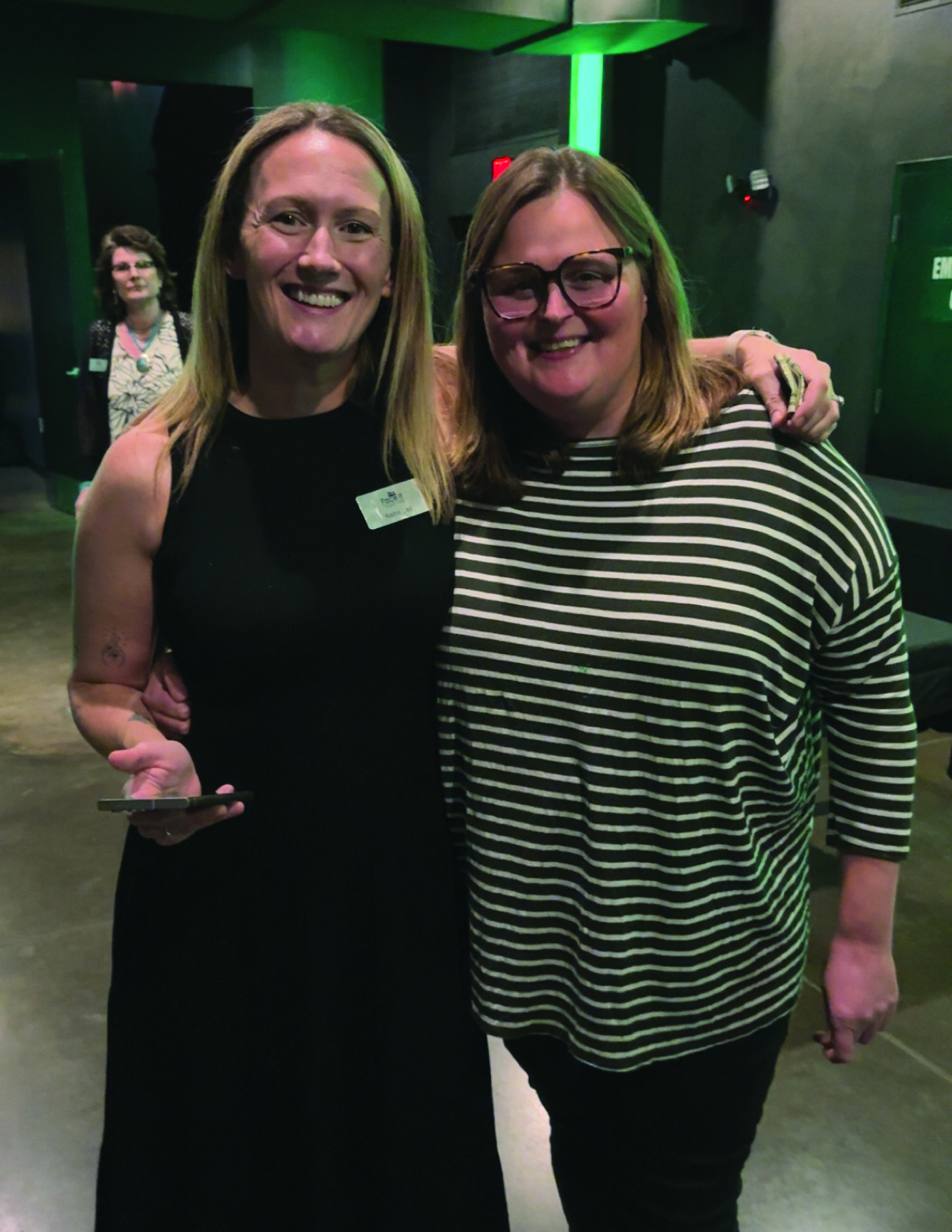
Anne came to terms with the fact that she might need help, but she wasn’t totally sold on sobriety yet. She started seeing Kattie, a Face It TOGETHER peer coach.
“I think at the back of my mind, I was still planning to drink,” she said. “I thought, ‘I’m sober for now. I can show everyone I’m sober.’”
In the early days of coaching, they talked about Anne’s choice to continue spending time at the bar, drinking sodas.
“Kattie would mention that I’m not going to want to do that anymore once I progress in my sobriety,” she said. “It’s something I did not believe at the time.”
Another turning point came when Anne lost her job.
“My alcohol use wasn’t the only reason, but it certainly took part in my performance. I was in a really low place,” she said. “Losing your job, it’s so humbling.”
Talking with Kattie, who shared her own “nitty gritty” stories, was a big help to Anne at the time.
“She sees the core, where everything is coming from. Kattie has been such an inspiration to me, because she’s proof you can turn your life around. It’s not over. It’s never over,” she said. “When you’re able to expose yourself in such a vulnerable way, there’s beauty in that.”
In those early days, Anne remembers needing a lot of reassurance.
“‘I’m going to be OK, right? I’m going to get another job, right? I’m going to turn this around, right?’ I needed someone to believe in me, and Kattie certainly did,” she said.
Anne compares some of those conversations to the movie “Bridesmaids.”
“There’s a scene where Melissa McCarthy’s character says, ‘I’m life, Annie. I’m trying to get you to fight for your shitty life.’ That was basically Kattie to me,” she said, laughing. “She saw that person in there fighting, and now my life isn’t shitty anymore.”
It can still be difficult for Anne to accept the “terrible things” she did while drinking. She can’t undo them, and she knows that she hurt people. Despite that, her most important relationships have transformed for the better.
“My relationship with girlfriend has done a 180,” she said. “I’m able to be 100% myself with her.”
Anne still gets texts from her mom’s friends out of the blue saying how proud they are of her.
“My mom loved me on my worst days,” she said. “She’s out there with a megaphone now: ‘My Anne is sober!’ I have this great relationship with her now, and she’s so happy and proud.”
Being vulnerable, no longer withholding truths – it’s one of the best things Anne has done for herself. She has even shared her sobriety journey with her new employer.
“They said, ‘Thank you for being honest with us. How can we support you?’ And almost all of them knew someone else who has struggled,” she said.
In sobriety, Anne has gotten to know who she truly is. She’s empathetic. She loves to cook and play games. She can have fun without going to a bar. It turns out Kattie was right: she rarely spends time at the bars she used to be at daily.
“The best part of it all is waking up and not having that feeling of impending doom,” she said. “How many times did I feel that? How many times did I wake up and think, ‘Oh God, I need to fix something?’"
Days that used to start with physical discomfort and shame have been replaced with intention and stillness, or at least as much stillness as her dogs will allow.
“Mornings have become almost sacred,” she said. “They no longer include any type of retching, but instead coffee, prayer, reflection and daily New York Times puzzles.”
Anne never thought she’d be the kind of person to say yes to speaking at a recovery event at 7 a.m. on a Saturday morning. But that’s exactly what she did earlier this year at Face It TOGETHER’s March Into the Light in Sioux Falls.
“I am a version of myself that I've never seen before,” she said.
As she continues to do the work and continues to become her truest self, Anne is grateful for her headspace and the opportunity move forward.
“Being present, that’s a gift,” she said. "I’m being completely honest with myself, and I like the person I’m becoming. That’s something I don’t know if I’ve ever been able to say in my life.”